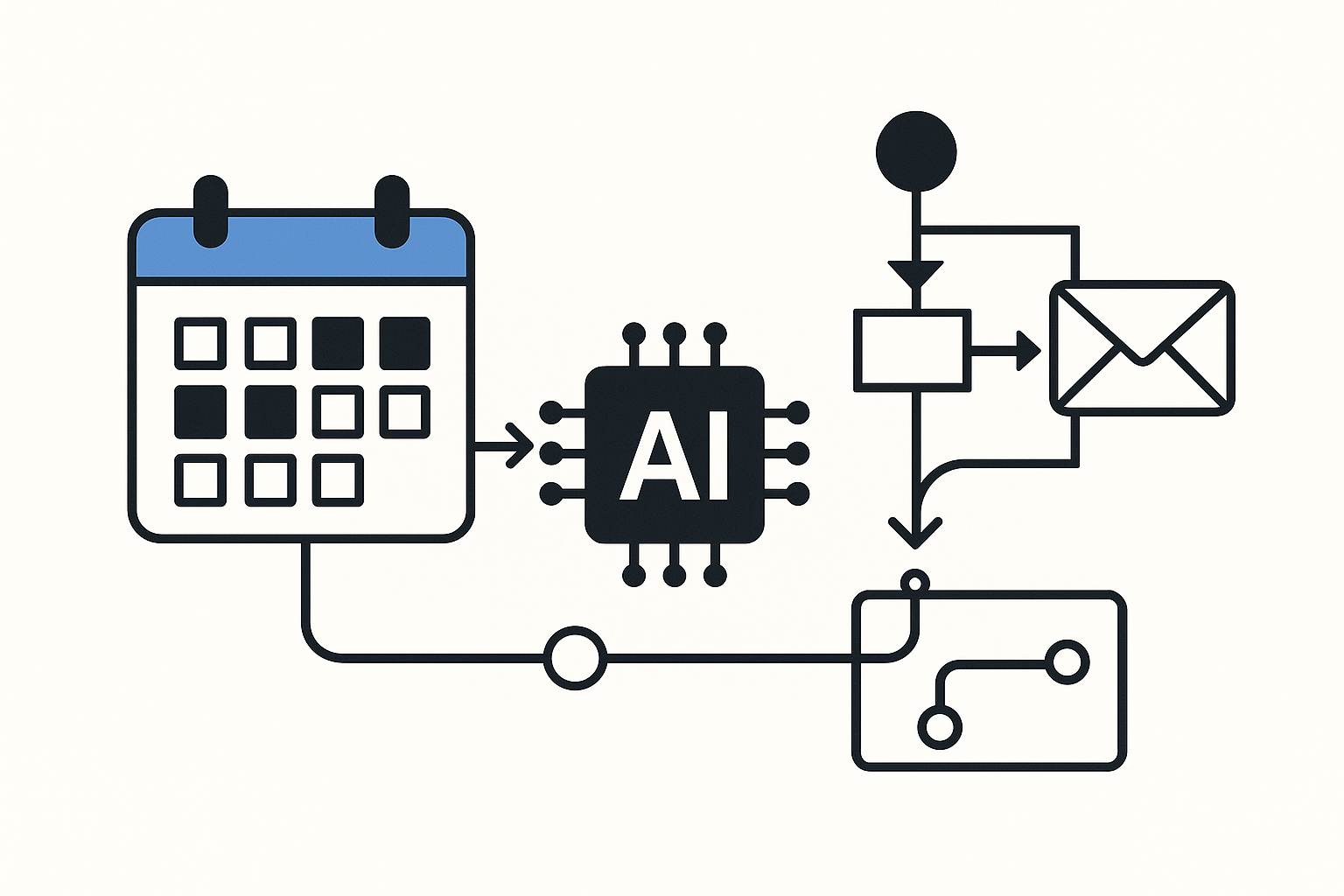
Missing an important meeting because of a scheduling mix-up can be frustrating, especially when you’re juggling multiple commitments. If you’re trying to coordinate a client call while managing school runs or other appointments, the last thing you want is to double book yourself or forget an important time altogether. Automating your event scheduling can significantly reduce these mishaps, allowing you to focus on what truly matters.
Google Calendar is a powerful tool that can streamline your scheduling process. By automating event scheduling, you can ensure that your calendar stays organised without the constant back-and-forth communication that often accompanies setting up meetings. This not only saves you time but also prevents the stress of last-minute changes or missed appointments. The beauty of using Google Calendar lies in its integration capabilities and user-friendly interface, making it accessible even for those who may not consider themselves tech-savvy.
Setting Up Your Google Calendar for Automation
To get started with automating your event scheduling, you first need to set up your Google Calendar effectively. Begin by creating different calendars for various aspects of your life. For instance, you might have one for work-related events, another for personal commitments, and perhaps a third for family activities. This separation allows for clearer visibility and better management of your time.
Once your calendars are in place, it’s crucial to ensure that your availability is accurately reflected. You can block out times when you are unavailable, which helps prevent others from scheduling over these periods. This simple step can eliminate the confusion that often arises when trying to coordinate meetings with multiple parties.
Using Appointment Slots for Efficient Scheduling
One of the standout features of Google Calendar is the ability to create appointment slots. This feature is particularly useful if you’re a freelancer or running a small business and need to allow clients to book time with you. Instead of exchanging emails to find a suitable time, you can set specific time slots during which clients can book appointments. This not only streamlines the process but also ensures that you have dedicated time for these meetings without overlapping with other commitments.
To set up appointment slots, navigate to your Google Calendar and select the time you want to allocate for appointments. Choose the option to create appointment slots, and you can specify the duration of each slot, as well as the overall availability. Once set up, you can share a link with clients, allowing them to see your available slots and book accordingly. This method reduces the back-and-forth communication, saving both you and your clients valuable time.
Integrating Google Calendar with Other Tools
While Google Calendar is robust on its own, integrating it with other tools can further enhance your scheduling efficiency. Many people use tools like Zoom or Microsoft Teams for virtual meetings, and these platforms can easily sync with Google Calendar. When you create an event in Google Calendar, you can add a video conferencing link, making it seamless for participants to join the meeting without needing to search for a separate link.
If you don’t use Google Meet, the same setup works with Zoom or similar tools. This integration ensures that all your meeting details are in one place, reducing the likelihood of missing an important link or detail. Additionally, consider using task management tools that also integrate with Google Calendar. This way, you can see your tasks and deadlines alongside your scheduled events, allowing for better time management and prioritisation. For more step-by-step automation tips, check out our other guides.
Automating Reminders and Notifications
Another way to maximise your time with Google Calendar is by automating reminders and notifications. Setting up alerts for your events helps ensure that you’re always prepared and on time. You can customise these reminders to notify you minutes, hours, or even days in advance, depending on the nature of the event.
For instance, if you have a client meeting scheduled for next week, you might set a reminder for one day before to review any necessary documents and another reminder an hour before to ensure you’re ready. This proactive approach not only helps you stay organised but also reduces the stress of last-minute preparations.
Sharing Your Calendar for Better Collaboration
If you work in a team or need to coordinate with others frequently, sharing your Google Calendar can be a game-changer. By granting access to your calendar, colleagues can see your availability and schedule meetings without needing to ask for your free time. This transparency fosters better collaboration and reduces the hassle of trying to coordinate schedules through emails or messages.
When sharing your calendar, you can choose how much detail others can see. You might opt to share only your availability or allow others to view the details of your events. This flexibility ensures that you maintain control over your information while still facilitating effective teamwork.
Keeping Your Calendar Clean and Organised
As you start automating your event scheduling, it’s essential to keep your calendar clean and organised. Regularly review your events and remove any that are no longer relevant. This practice not only declutters your calendar but also makes it easier to navigate your schedule. If you find that certain types of events are taking up too much space, consider creating separate calendars for them, as previously mentioned.
Additionally, take advantage of colour-coding your events. Assign different colours to various types of events, such as work meetings, personal appointments, and family commitments. This visual differentiation allows you to quickly assess your day or week at a glance, making it easier to manage your time effectively.
Embracing the Future of Scheduling
As technology continues to evolve, the tools available for automating event scheduling will only improve. Google Calendar is already a powerful ally in this regard, but staying open to new features and integrations can further enhance your productivity. Regularly check for updates and new functionalities that can streamline your scheduling process even more.
For example, Google frequently updates its suite of tools, meaning new features may be introduced that can help you manage your time better. Keeping abreast of these changes ensures that you’re making the most of what’s available and not missing out on potential efficiencies.
Conclusion
Automating your event scheduling with Google Calendar can significantly improve your time management and productivity. By setting up appointment slots, integrating with other tools, and automating reminders, you can create a streamlined process that reduces the stress of scheduling conflicts. Regularly reviewing and maintaining your calendar ensures it remains a useful tool rather than a source of confusion.
If you’re looking to simplify your appointment management even further, consider exploring other tools like Microsoft 365 for additional features and functionalities. Embracing these automation techniques will not only save you time but also allow you to focus on what truly matters in your professional and personal life. For more insights on automating your scheduling, check out the article on check out our other guides.